Dead Reckoning
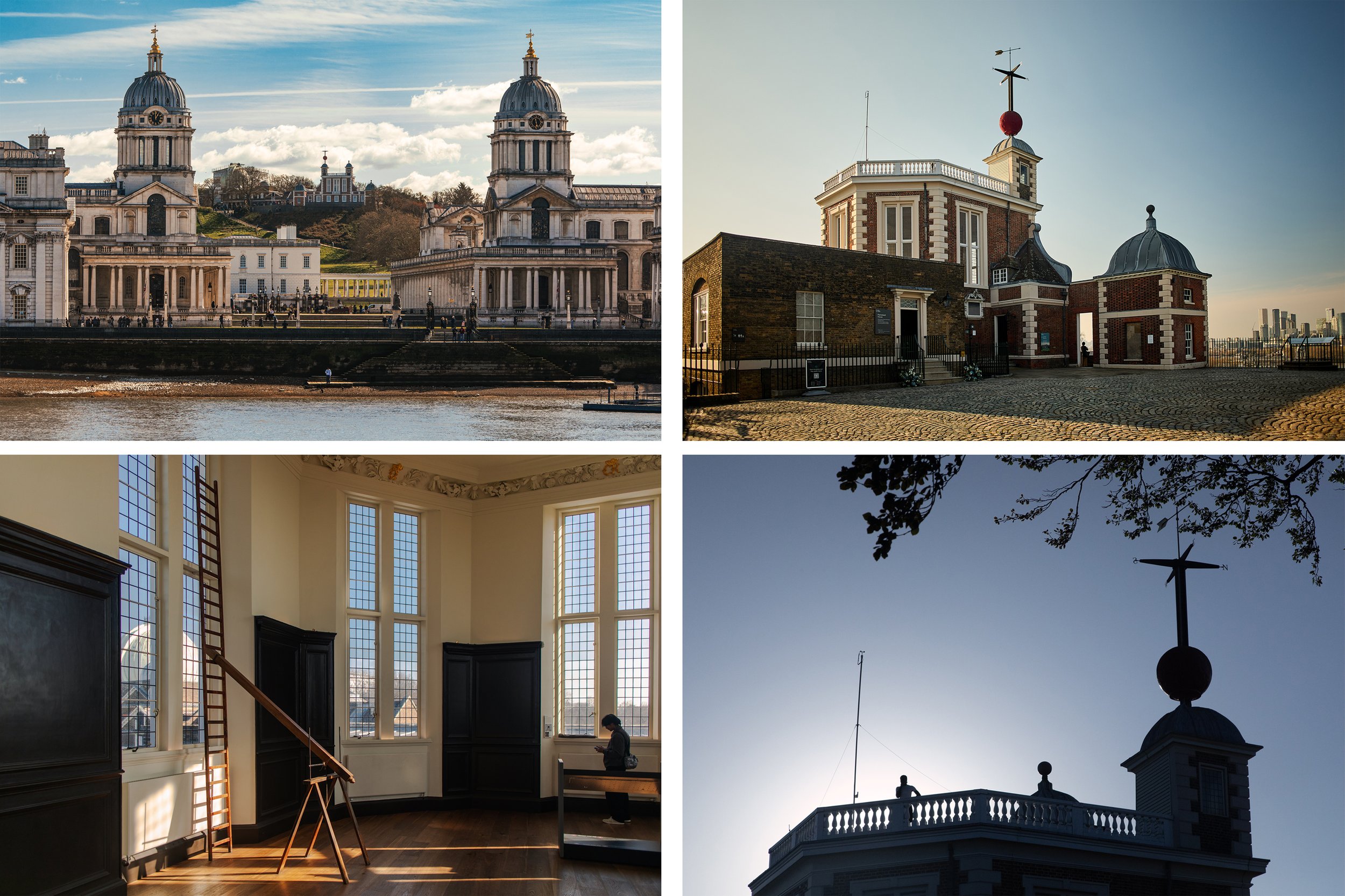
Dead Reckoning brings together photographs of ritual, performance, and belief systems. From military ceremony and legal tradition to finance and timekeeping, the work considers the structures we create to navigate an uncertain world.
Time
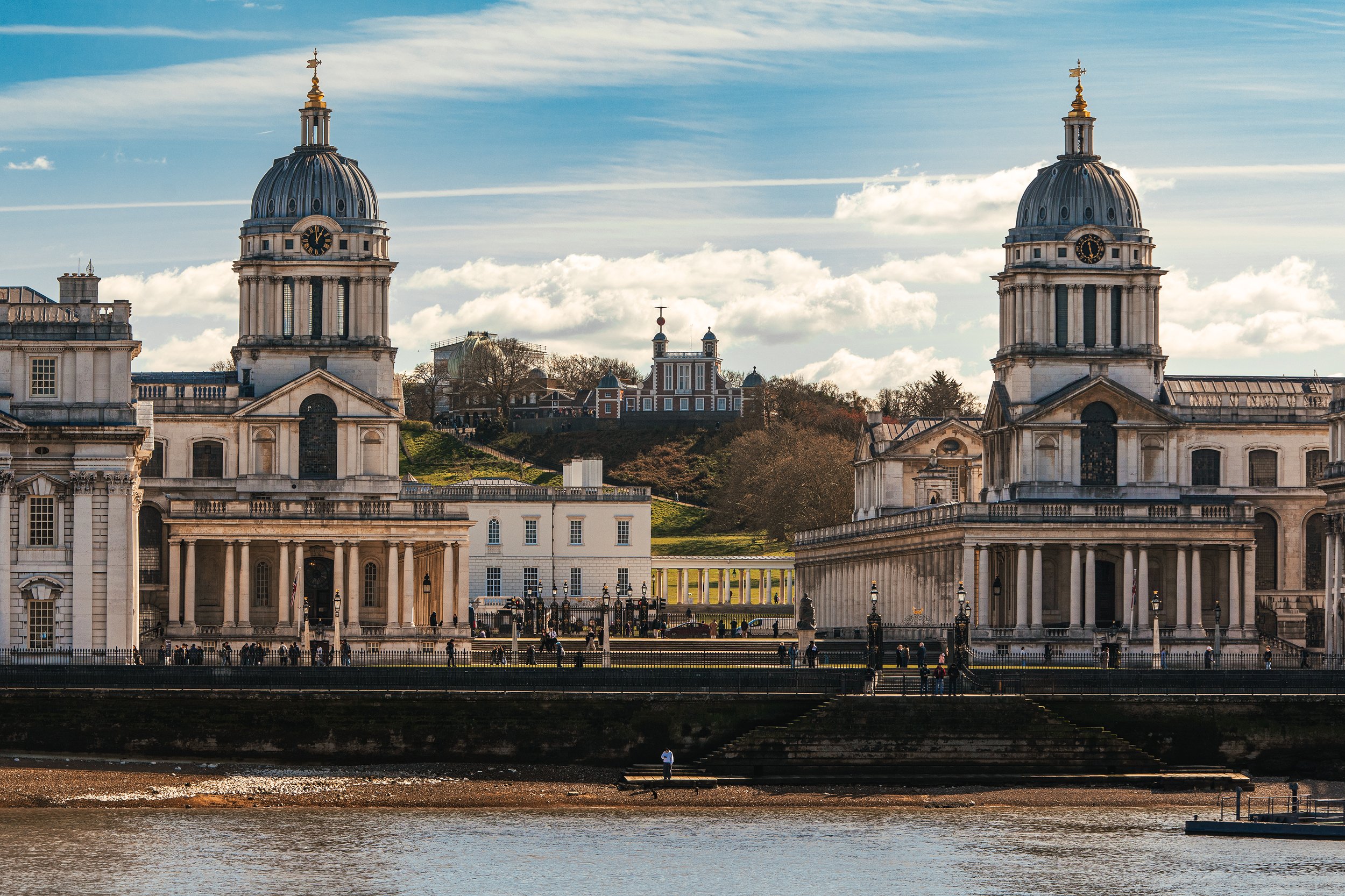
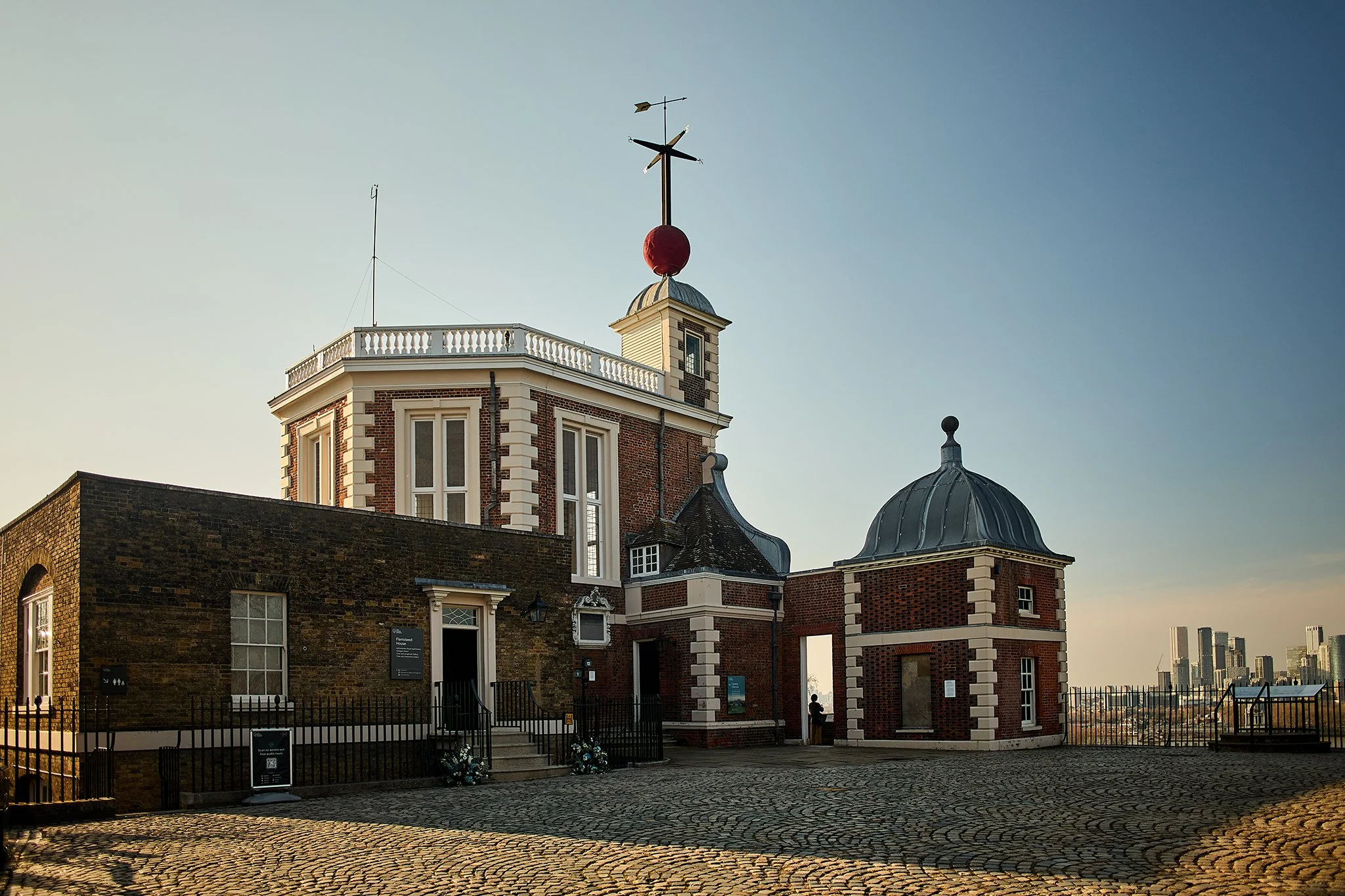
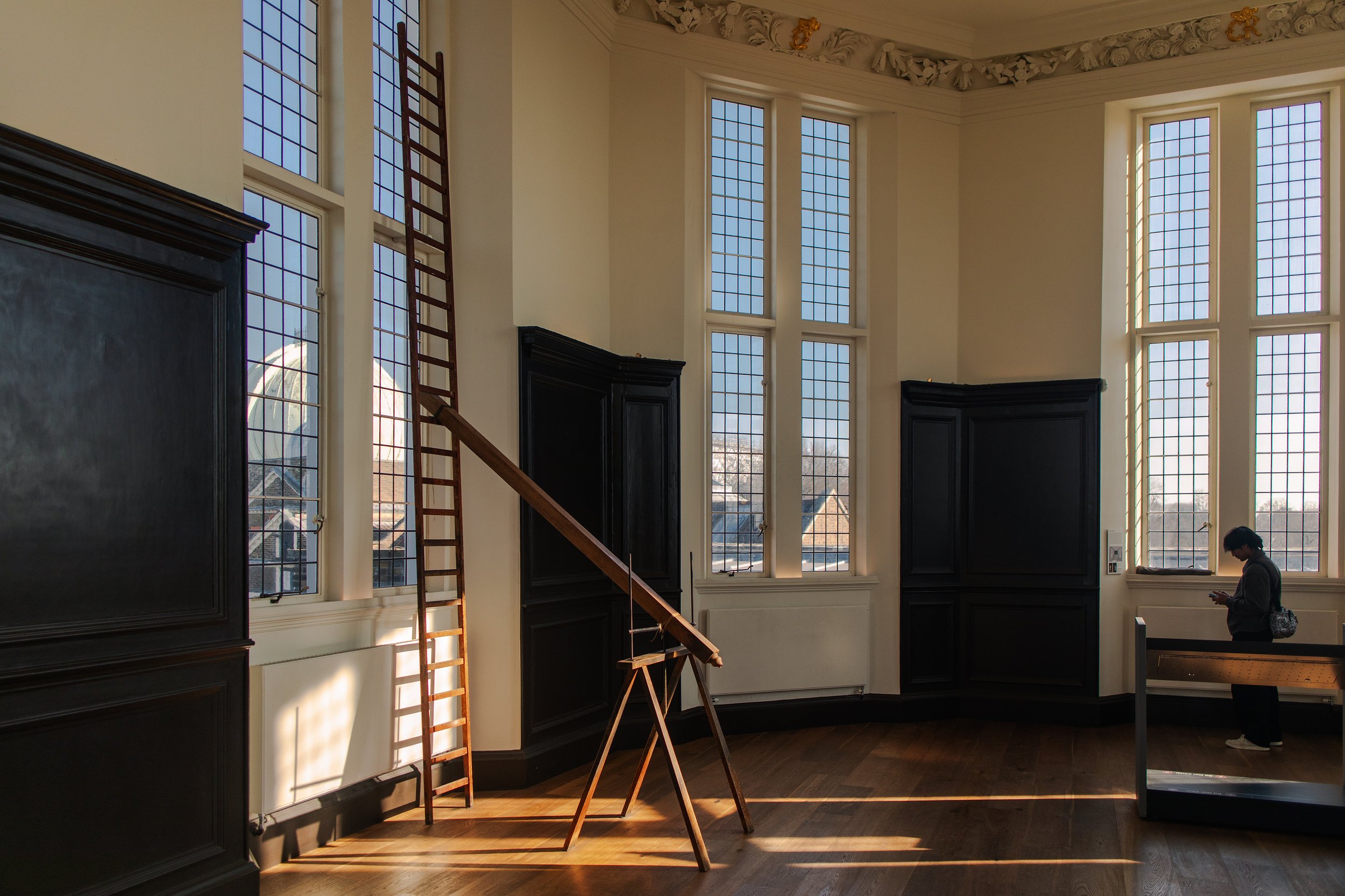
Time: From the project Dead Reckoning.
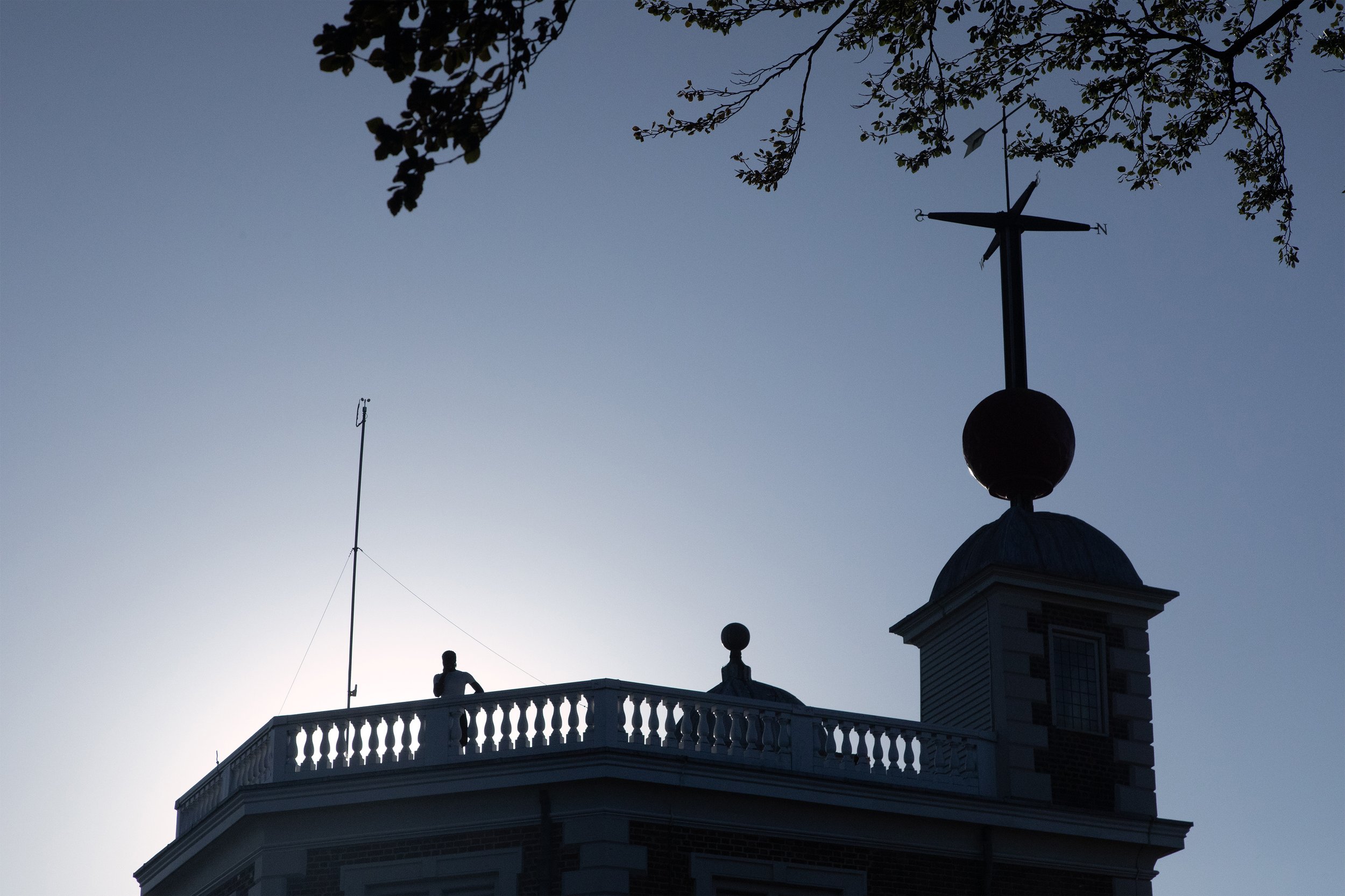
Flamsteed House, designed by Sir Christopher Wren in 1675, stands at Greenwich at the centre of our attempts to measure and standardise time. Time here is negotiated, political, adjusted, changed and improved. But what caught my imagination was the red ball on top of the building.
The Time Ball was installed in 1833 to allow sailors on the Thames to check their chronometers. It rises each day, then drops at exactly 1pm. Accurate time, combined with observations at sea, allowed sailors to establish their position and navigate more reliably across great distances.
Speed could also be measured by throwing a log attached to a knotted line from the stern and timing how much line ran out with a sandglass. From speed, time and course, sailors could estimate where they were.
Navigation made trade possible, but certainty was always provisional. Ships, cargo and people still had to leave land and proceed on the basis of what could be measured and what was believed to be known.
This was dead reckoning: navigating without certainty.
Risk
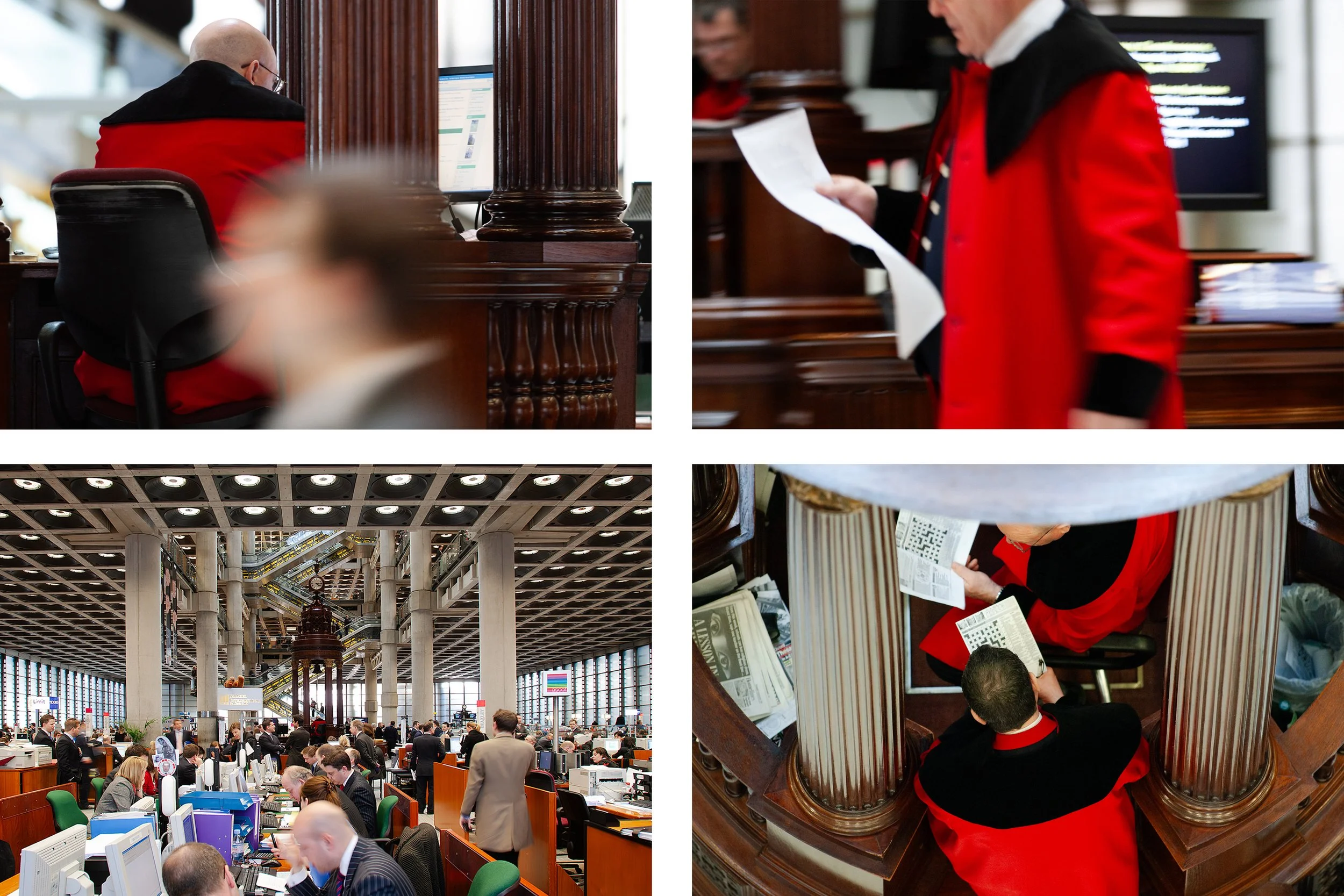
Risk: from the project Dead Reckoning.
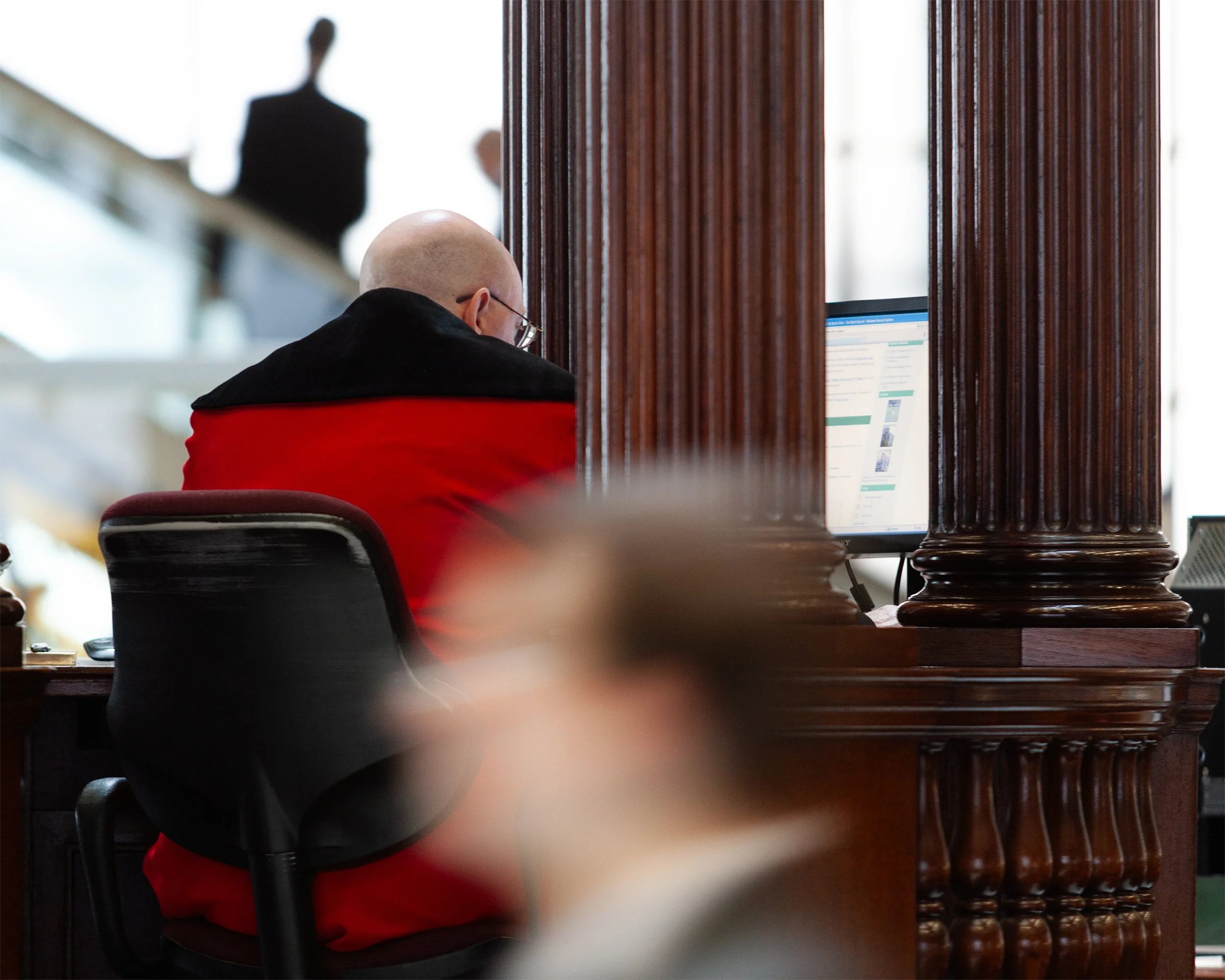
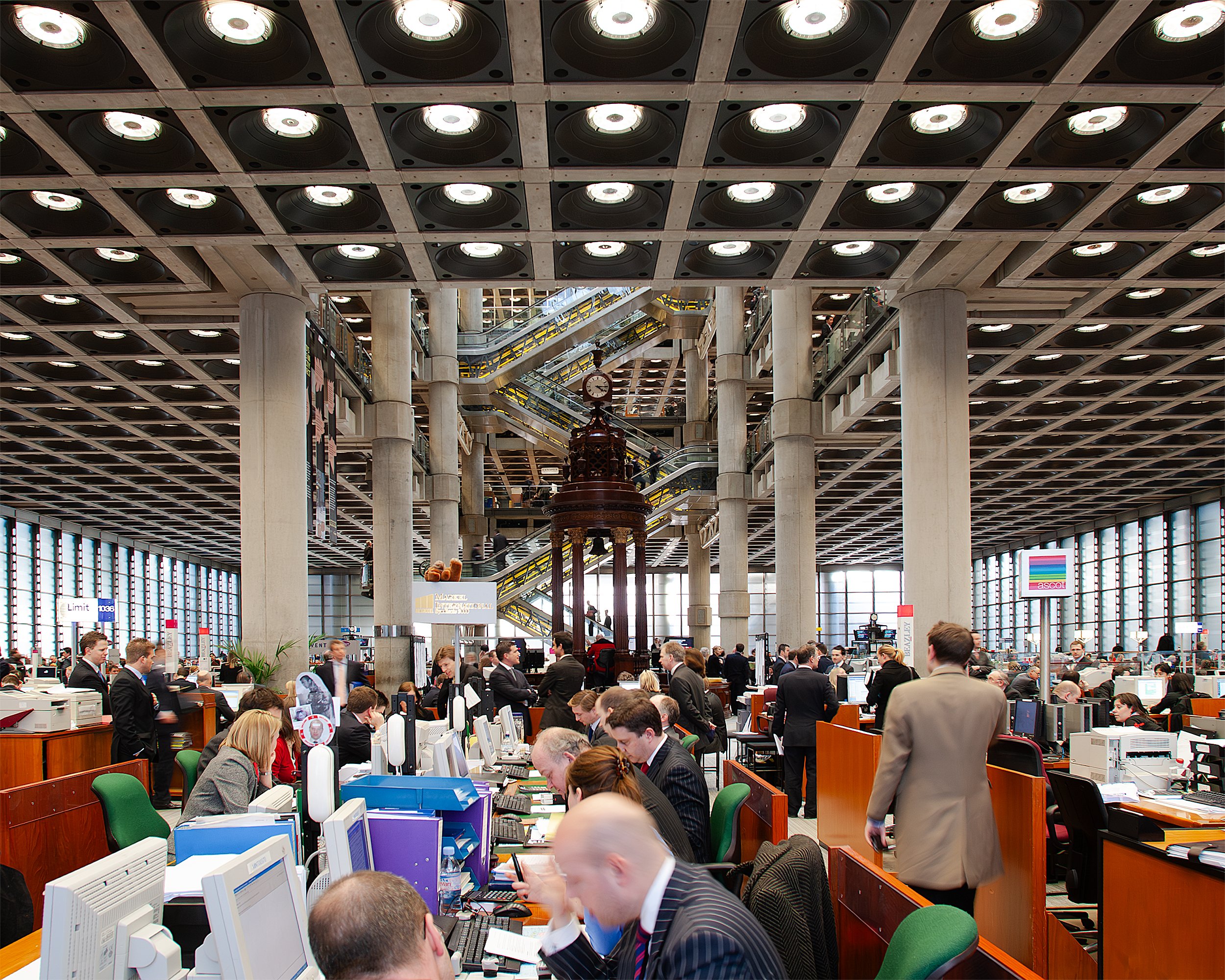
Lloyd’s began in Edward Lloyd’s coffee house in London in the late seventeenth century. Merchants, shipowners and sailors gathered there to exchange information about ships, cargo and voyages. From these conversations grew a system in which individuals agreed to take on part of the financial risk of a journey.
More than three hundred years later, that exchange has become a global insurance market. At the centre of the underwriting room hangs the Lutine Bell, salvaged from a ship that sank in 1799 carrying a cargo of gold and silver. The bell was traditionally rung once for bad news and twice for good.
The coffee house and the bell interest me because they sit at opposite ends of the same process: conversation becomes agreement, agreement becomes institution, and uncertainty is given a value.
Risk does not disappear. It changes hands.
Law
Law: from the project Dead Reckoning.
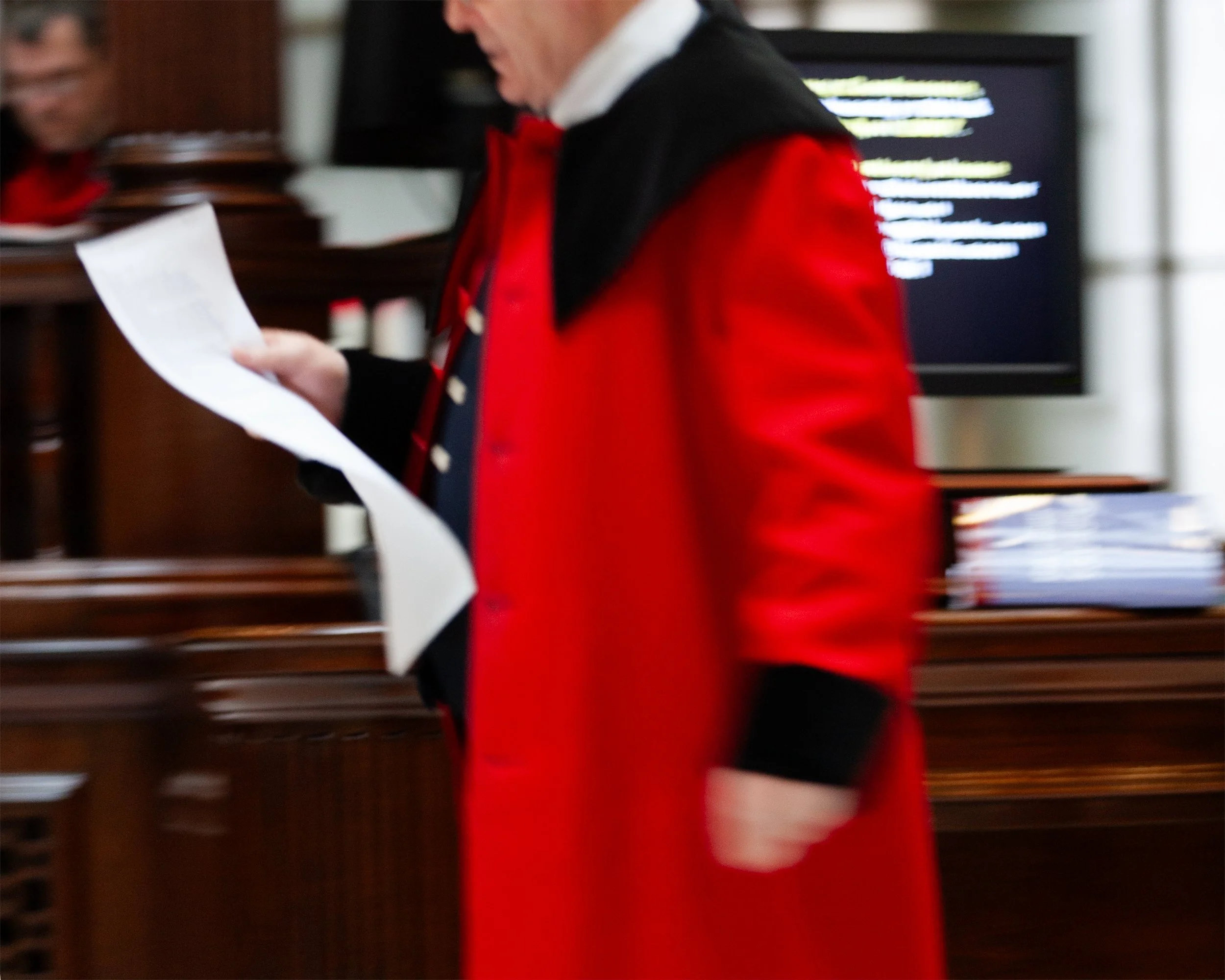
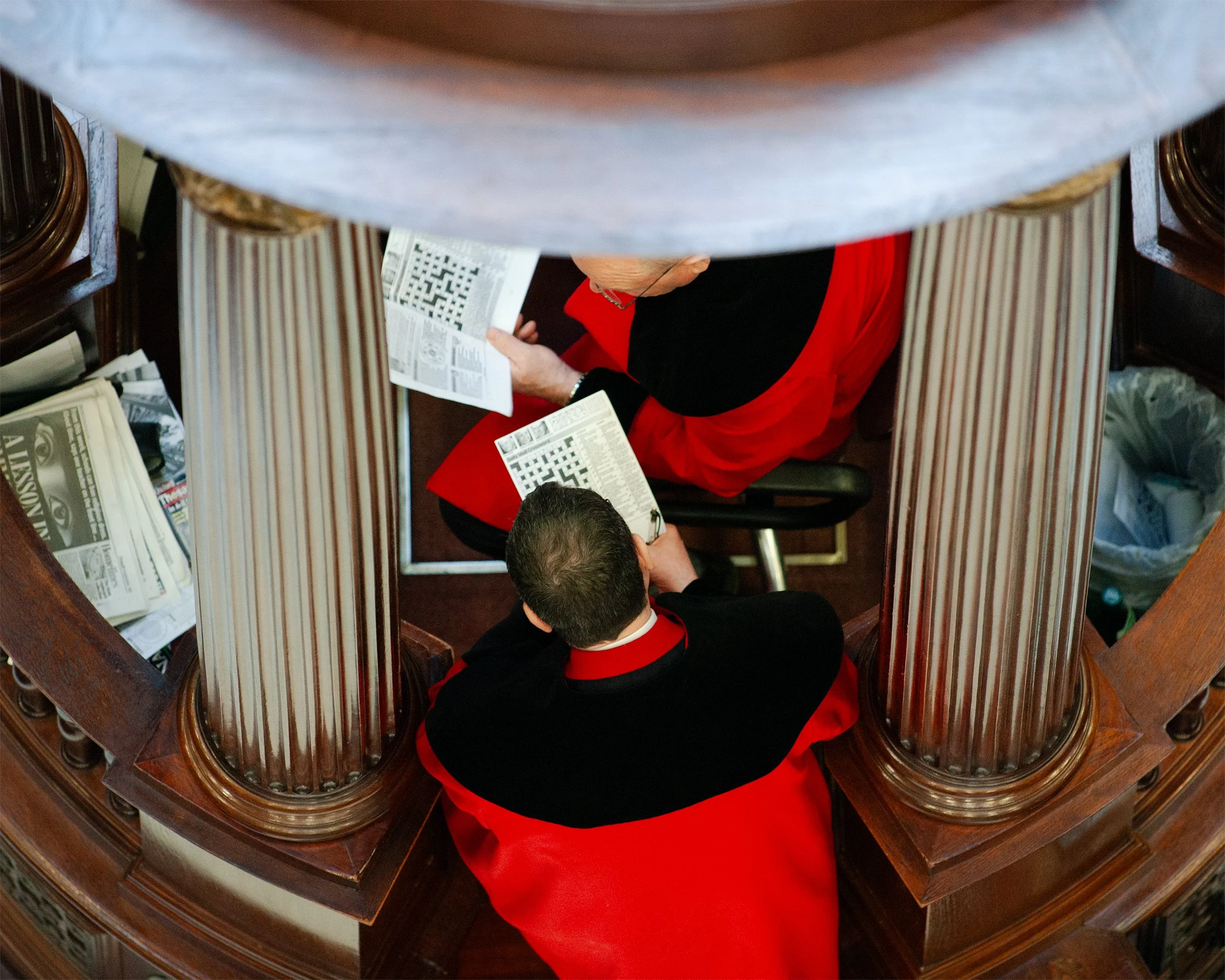
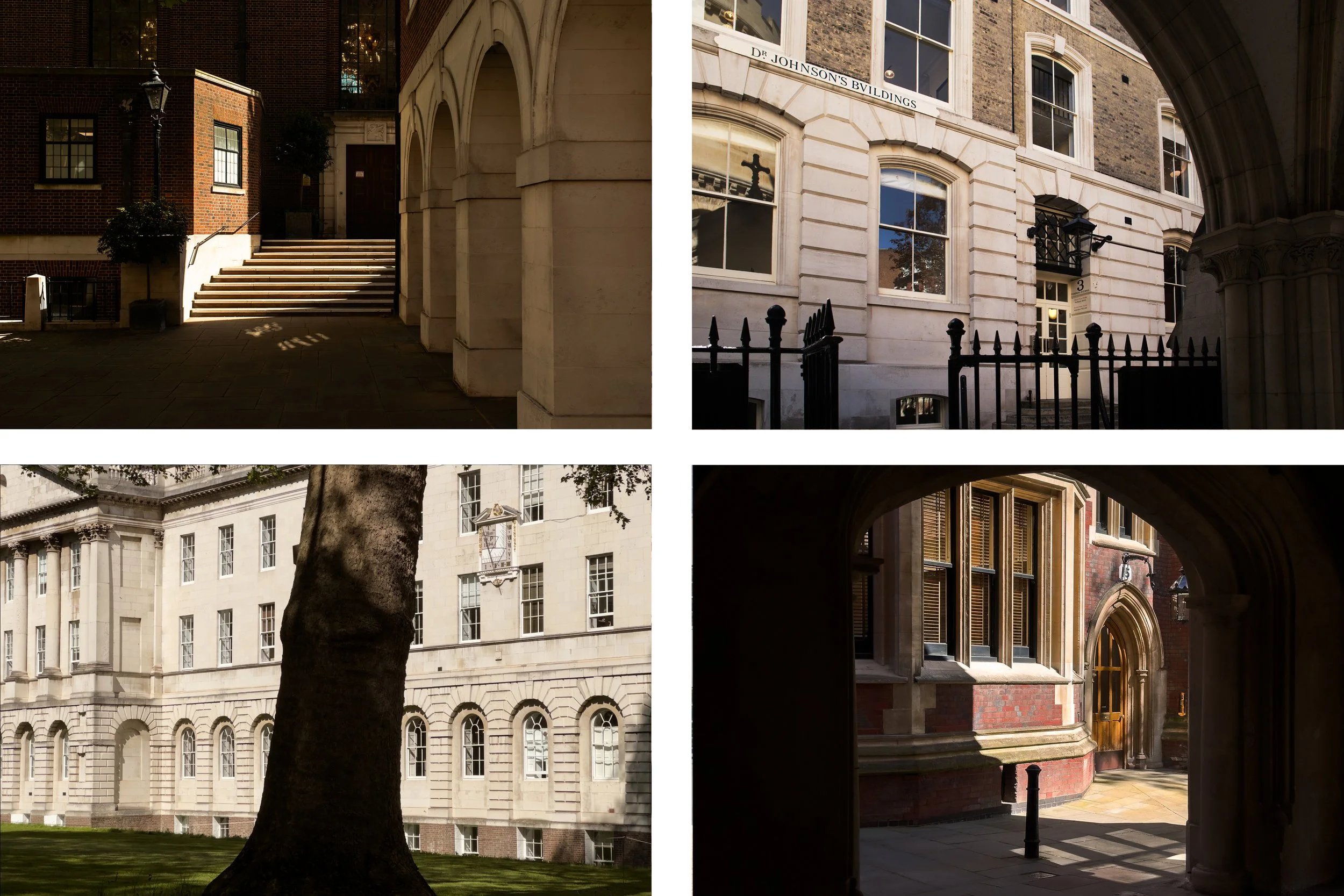
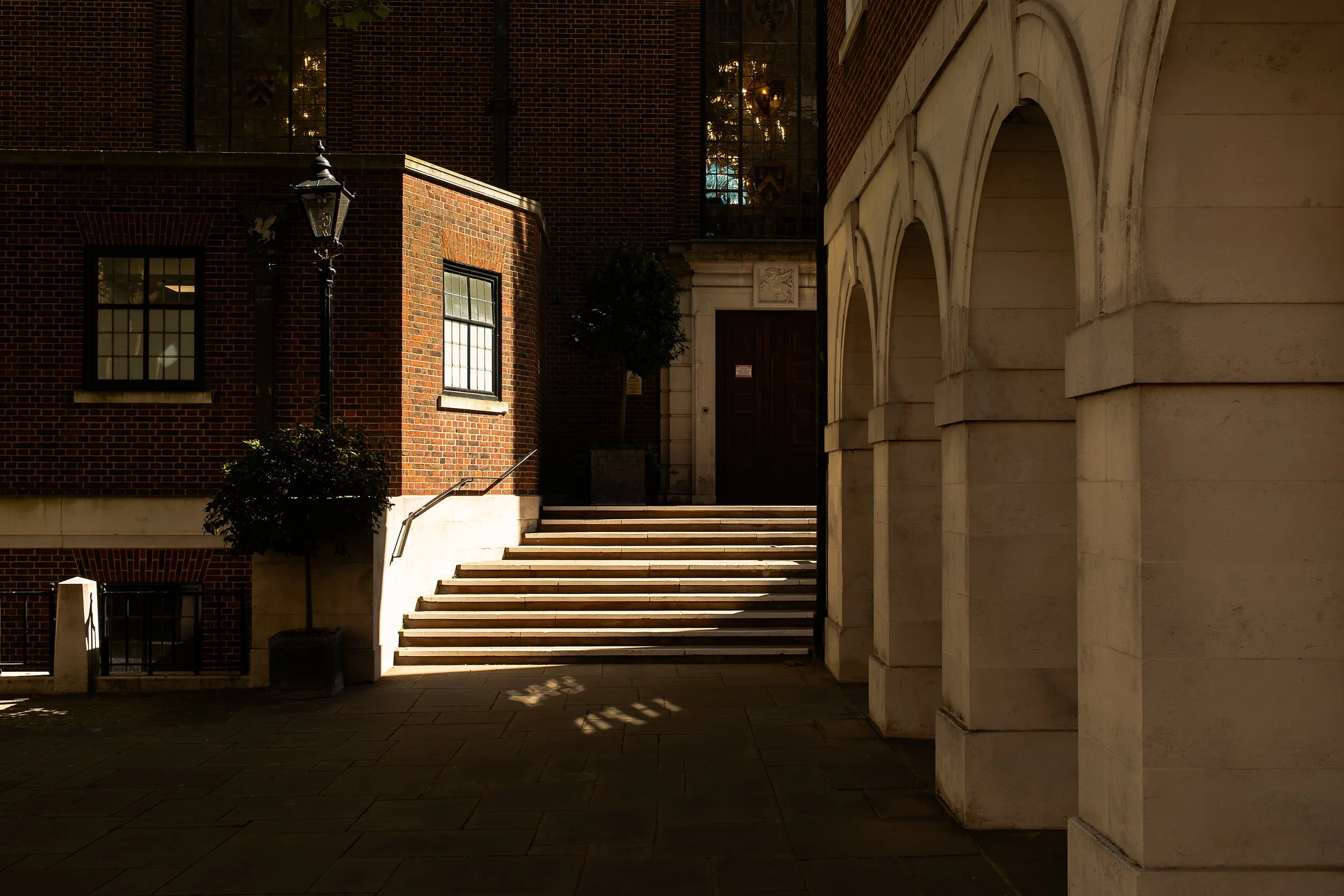
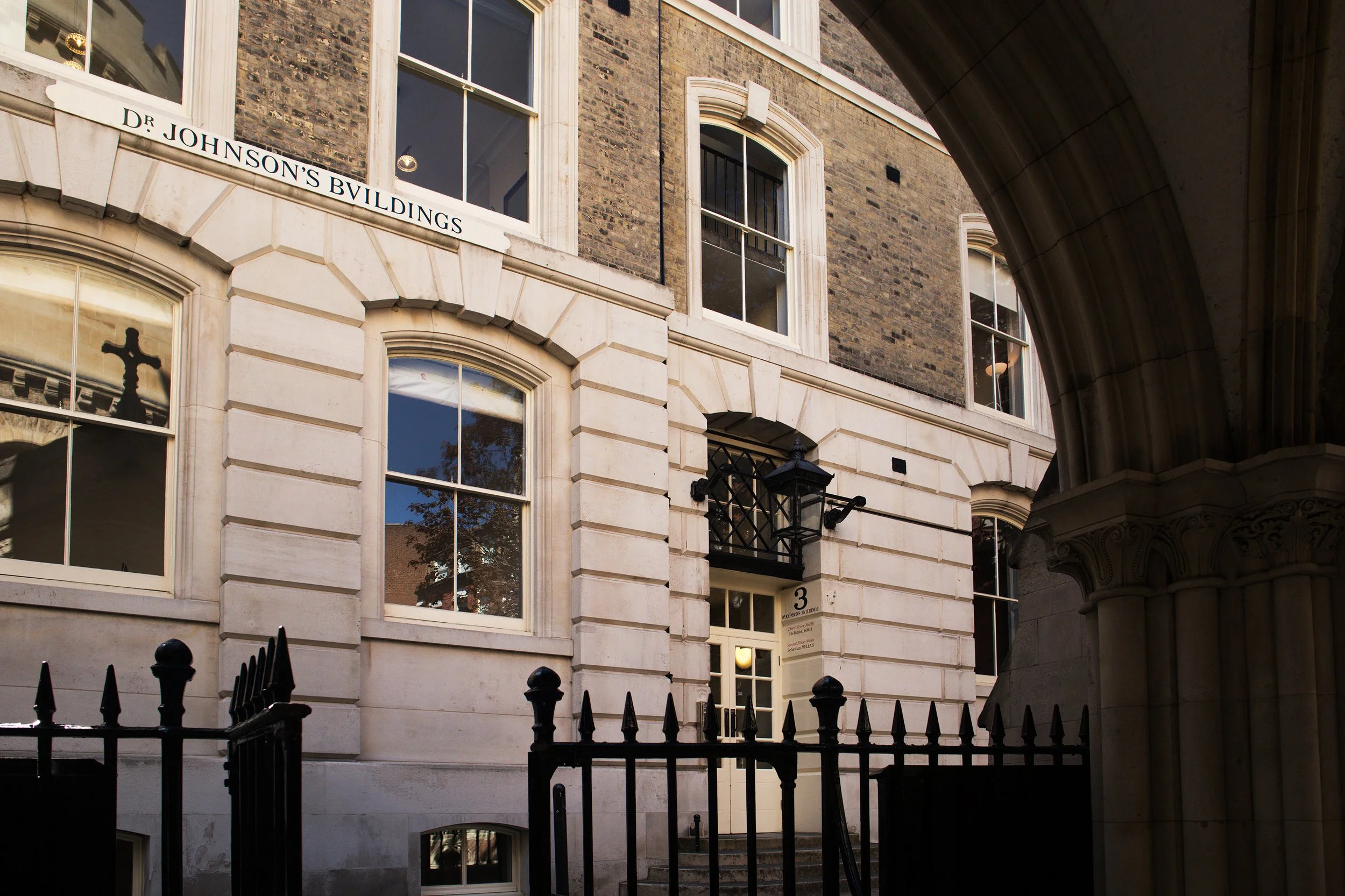
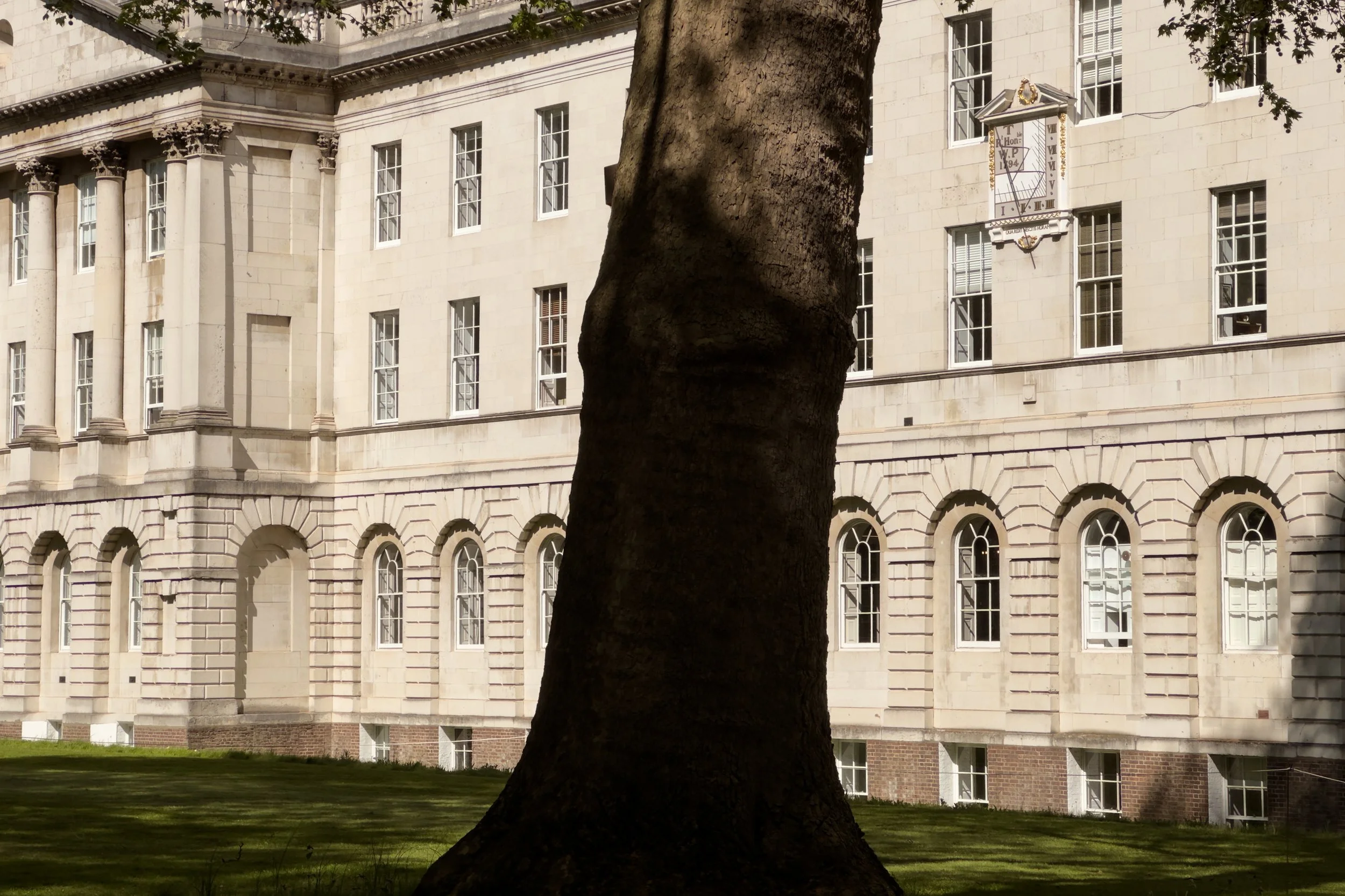
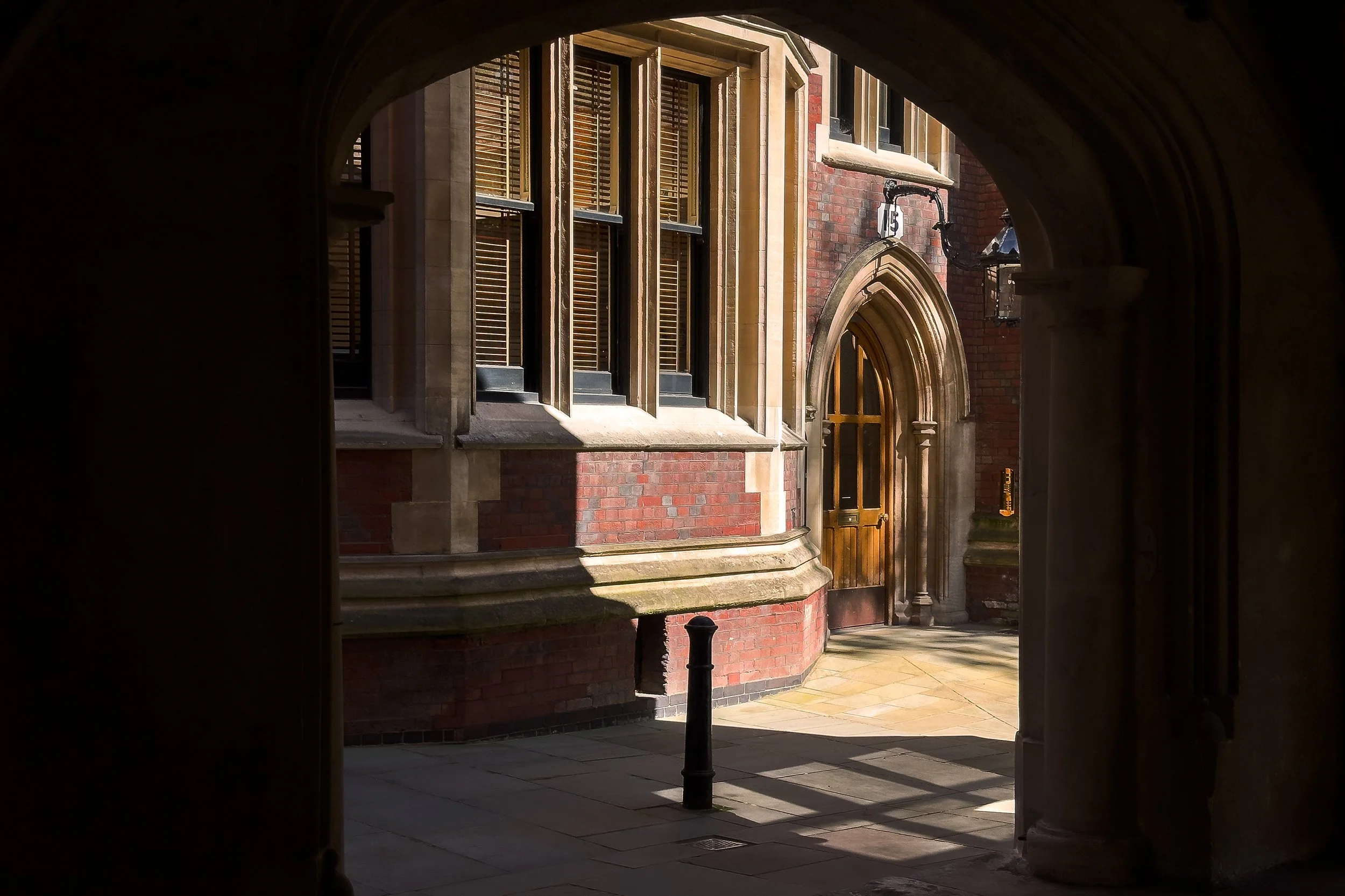
For centuries, London’s Inns of Court have occupied a particular space between the city and the state. They are places of education, tradition and professional life, but also the historic communities from which barristers practise and the law is argued.
Their courtyards, chambers and passageways form an almost otherworldly presence within London. Much of what happens here takes place away from public view: preparation, interpretation and argument before decisions emerge into the wider world.
I’m interested in that sense of being behind closed doors. Law is something we collectively depend upon, yet most of us encounter only its outcomes. Like risk, it is a structure we have created to make uncertainty manageable — establishing rules, resolving disputes and giving agreements consequence.
We live by decisions made in rooms we rarely enter.
Sovereignty
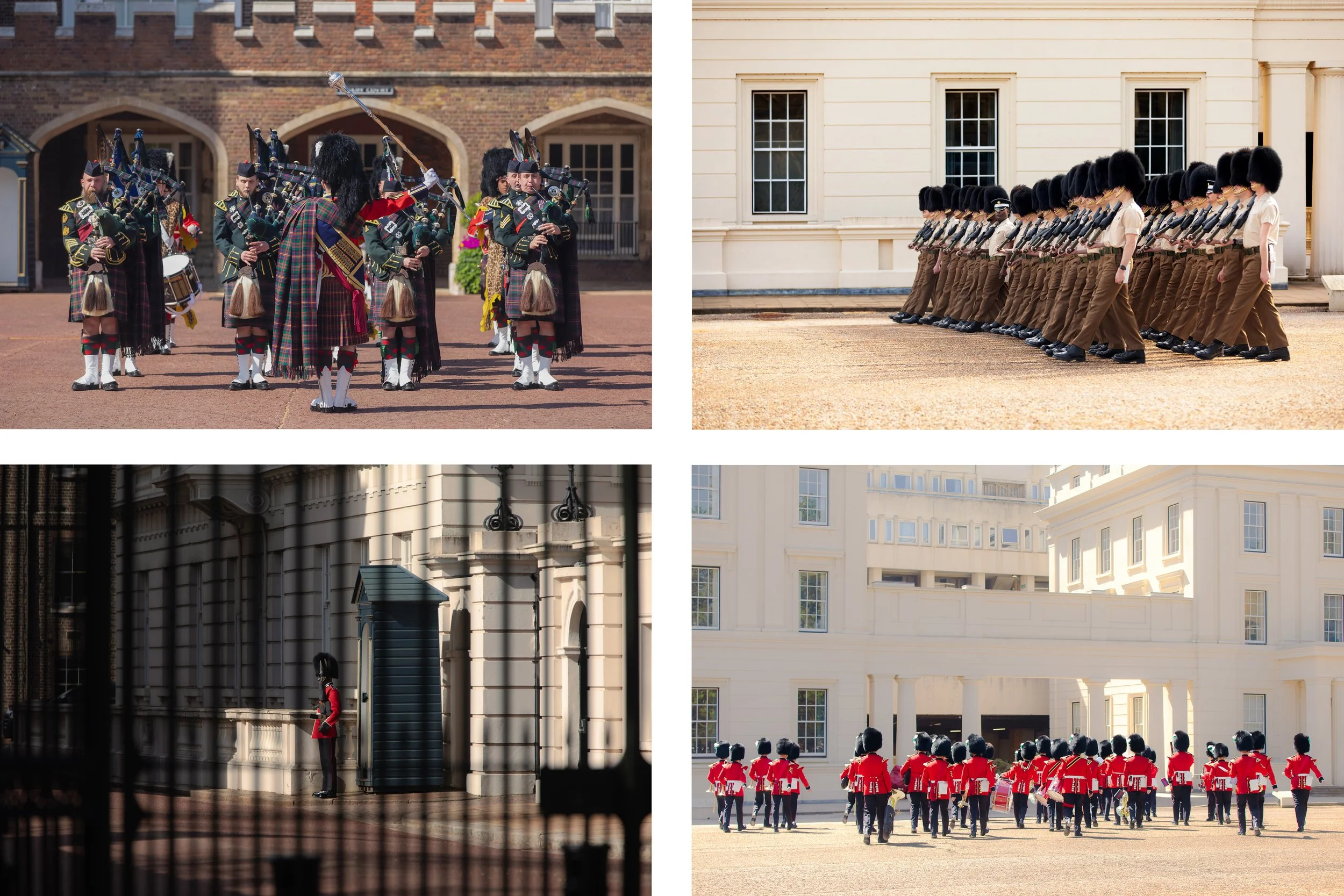
Sovereignty: from the project Dead Reckoning.
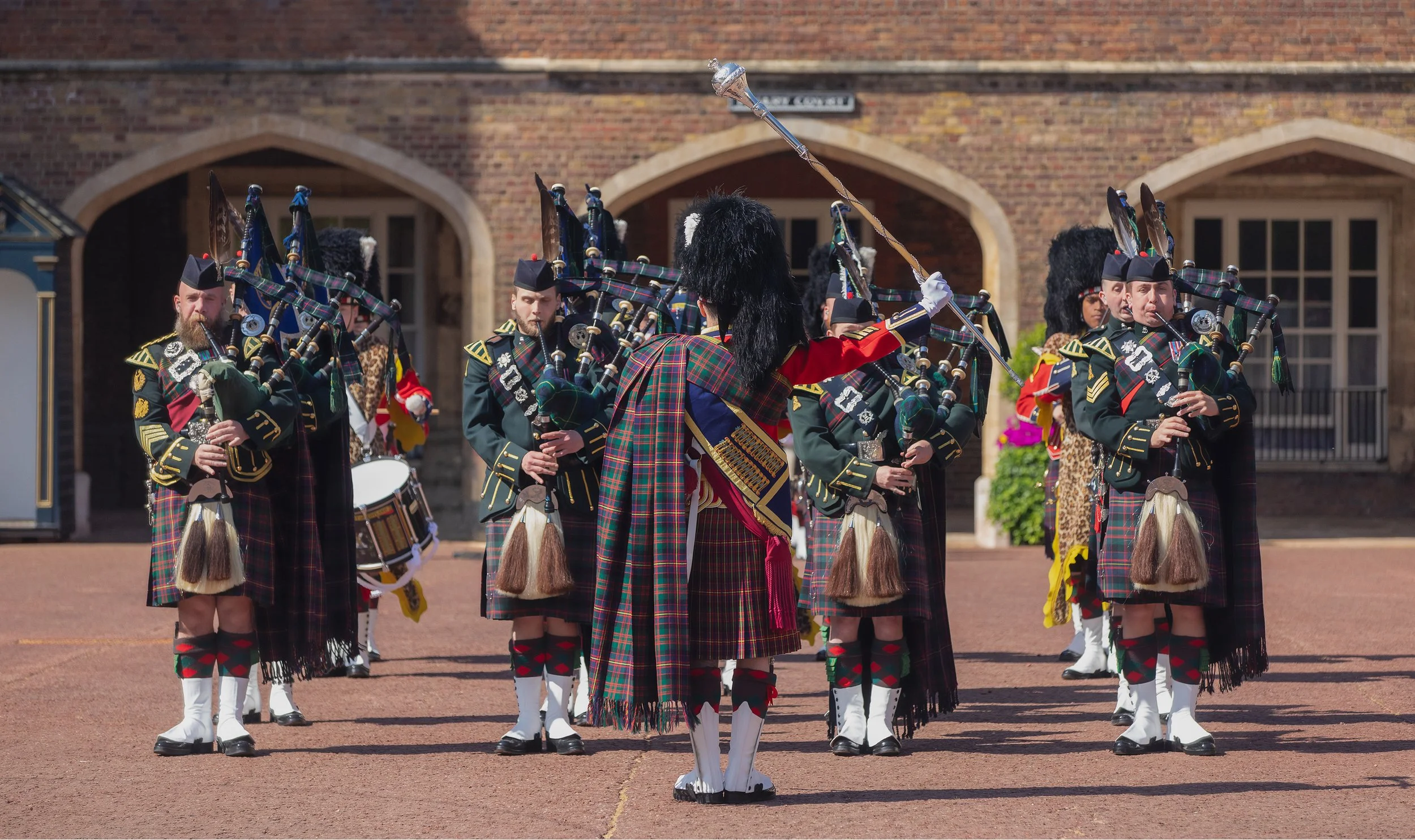
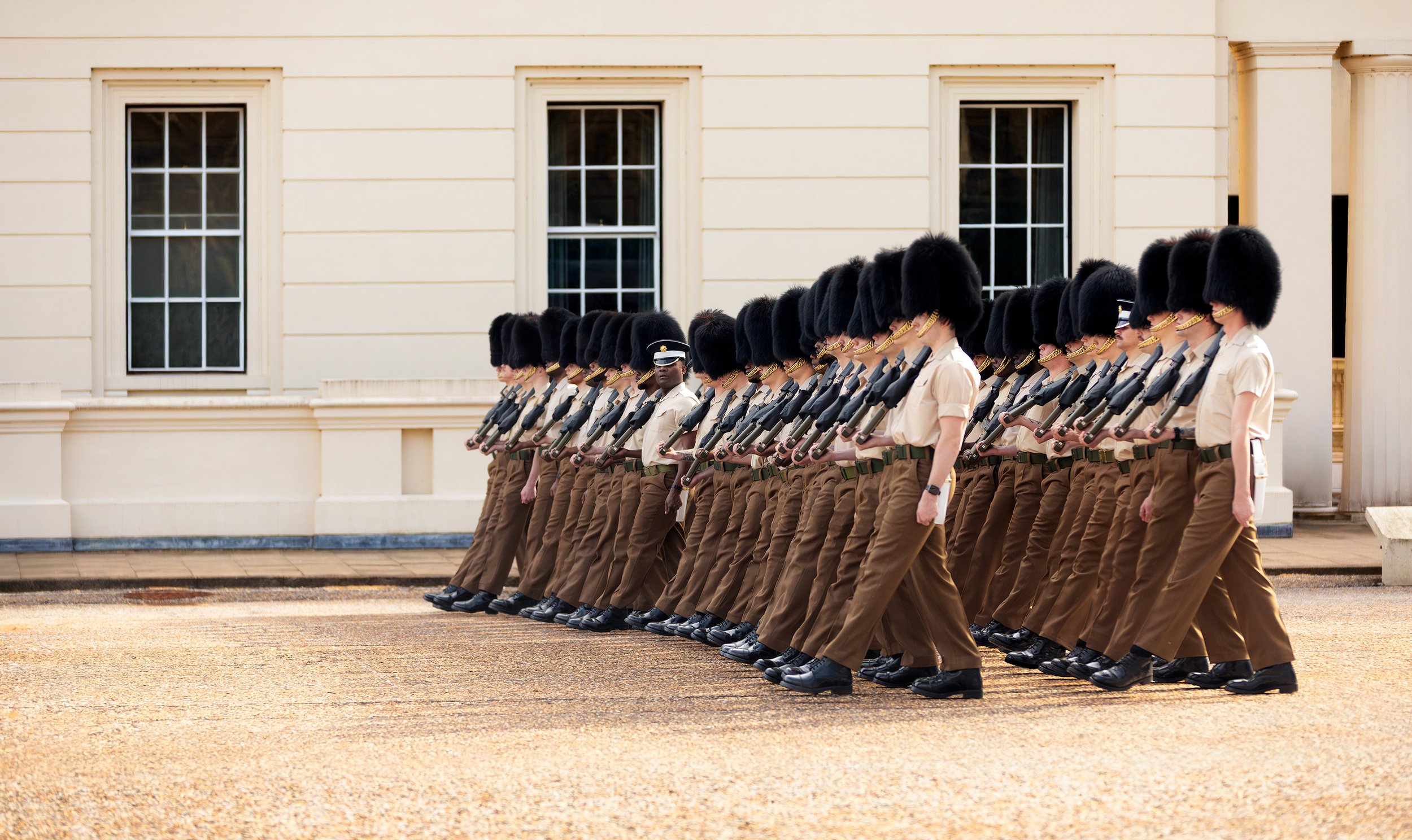
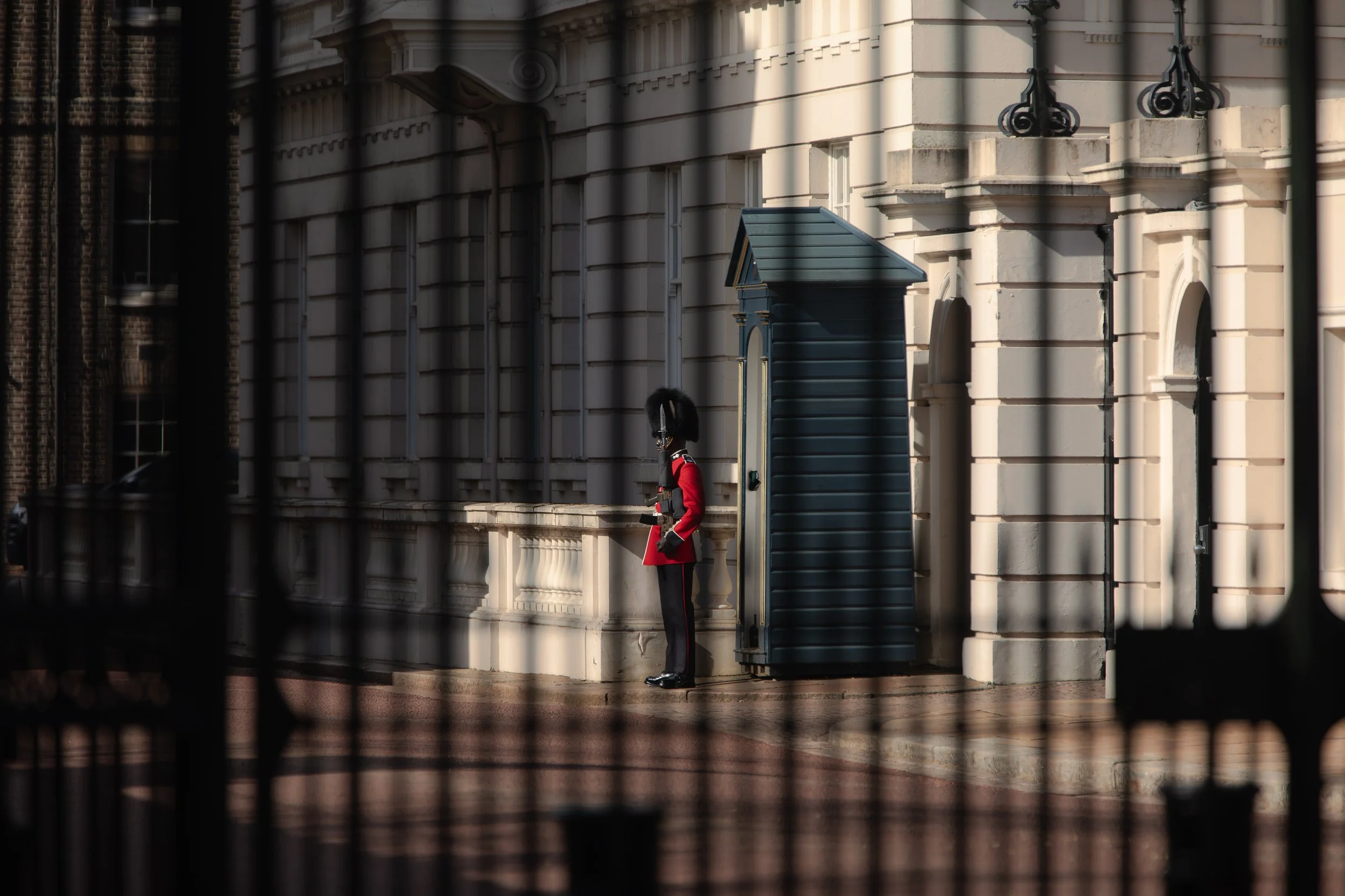
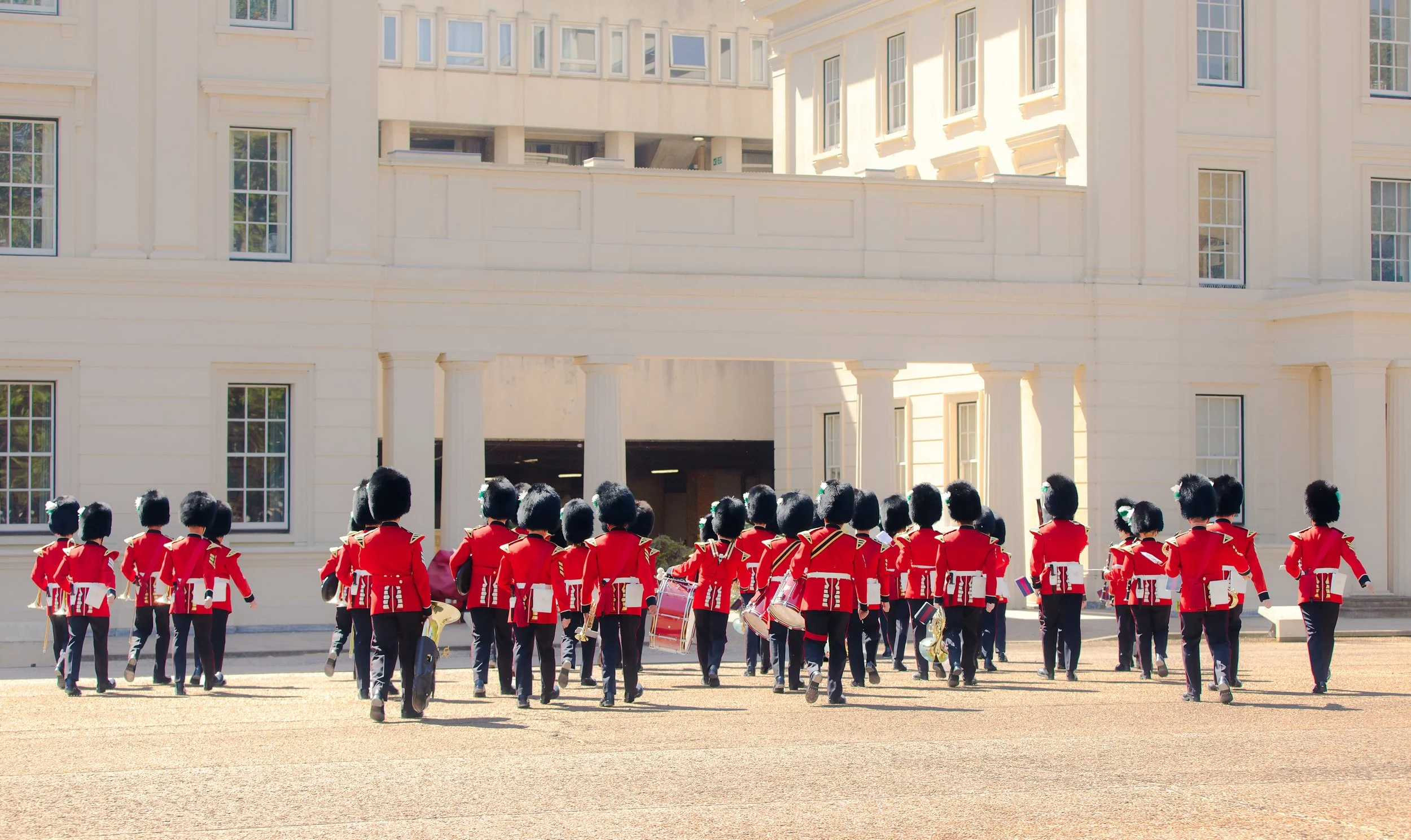
Sovereignty is made visible through ceremony. In London, the Guards, their uniforms, movements and repeated rituals turn an abstract idea of authority into something physical and recognisable.
These traditions have been performed and witnessed for generations. Their repetition gives them permanence, even as the monarch, the participants and the people watching continually change.
I’m interested in the space between spectacle and belief. The ceremony is meticulously controlled, yet it depends upon our collective recognition of what it represents. The Guards are both individuals and symbols, performing a ritual through which authority is repeatedly made present.
After time, risk and law, sovereignty takes us towards the source of that authority — not simply who holds power, but how we recognise it and allow it to endure.
Authority survives because we keep performing it.